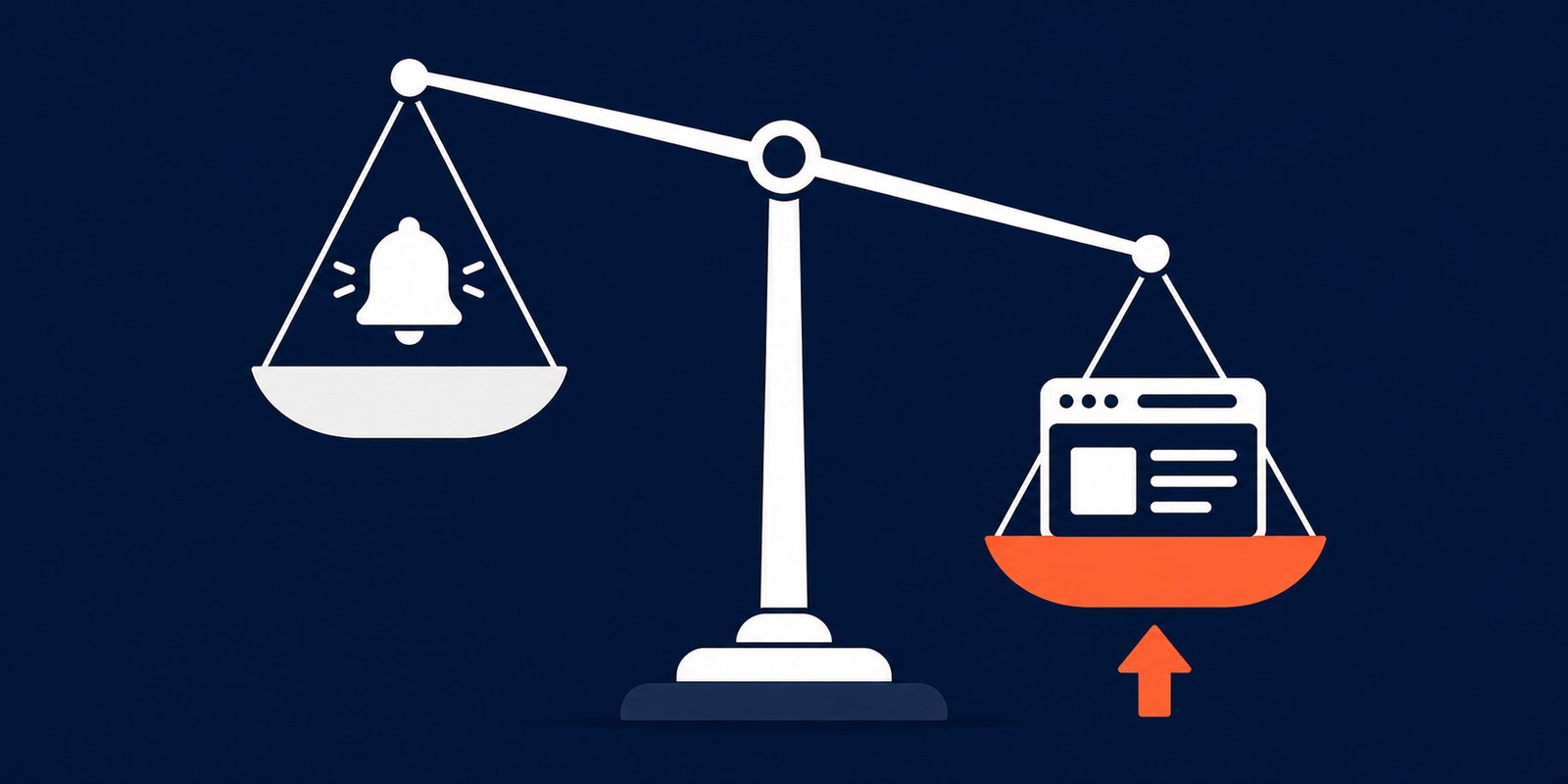

Most service business owners feel pulled in two directions: put energy into maintaining social media — because "you have to be on social" — or into improving the website — because "that's where people go to buy." The real question isn't either/or. It's understanding what each channel actually does well and building a strategy around that reality instead of assumptions about where you're supposed to be.
1. The Fundamental Difference: Owned vs. Rented
Your website is property you own. The content, the structure, the SEO equity built over time — it lives at your domain and no platform can take it away. Social media is rented space. Instagram, Facebook, and any other platform can change their algorithm, reduce organic reach, or shut down an account with limited recourse. Contractors in Powell and Delaware who built their entire lead pipeline on a Facebook page learned this during the algorithm shifts of 2021–2022, when organic business page reach dropped below 2% of followers.
2. What Social Media Actually Does Well
Social media excels at brand awareness, community building, and staying visible to an existing audience. A before-and-after of a recent roofing job that circulates among neighbors in Hilliard — that's real value. But it's awareness, not conversion. Social also supports review generation and referrals. It's a legitimate channel for warming up leads who aren't yet searching. The mistake is treating it like a lead-generation engine, because the math rarely works out that way for local service businesses.
3. What a Website Does That Social Can't
A website captures intent-driven searches — someone actively looking for a service right now. When a homeowner in Marysville searches "water heater repair near me," they're not going to Facebook. They're going to Google. A website optimized for local search appears in that moment and converts that intent into a call. Social media cannot intercept an active search. A well-optimized website supported by a strong Google Business Profile operates 24 hours a day capturing leads that social can never touch.
4. The Cost Structure Is Different
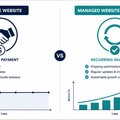
Maintaining an active social presence requires consistent time: shooting photos, writing captions, responding to comments, keeping up with platform changes. A well-built, well-optimized website can work for your business for months without daily attention — especially on a managed subscription where performance monitoring and SEO updates happen automatically. Comparing the time cost of social management against the lead volume it generates is an exercise most business owners find uncomfortable once they do the math honestly.
5. The Answer for Most Service Businesses
Prioritize your website and Google Business Profile first. These are the channels that capture high-intent local searches — the customer who needs something now and is ready to hire. Once your website is performing and your GBP is optimized, use social media as a supporting channel: share project photos, respond to community questions, build familiarity with people who aren't ready to hire yet. Social amplifies a strong foundation — it doesn't replace one.
Foundations First
Every house gets built from the ground up, not from the roof down. Your website is the foundation of your digital presence — the asset that compounds, that you own, and that captures customers at the moment of highest intent. Social media, done well, adds real value on top of that foundation. Built in the wrong order, you're spending time on a channel that borrows its reach from a platform you don't control.
If your website isn't your strongest lead channel yet, that's where the conversation should start. Reach out and let's look at what it's currently producing.